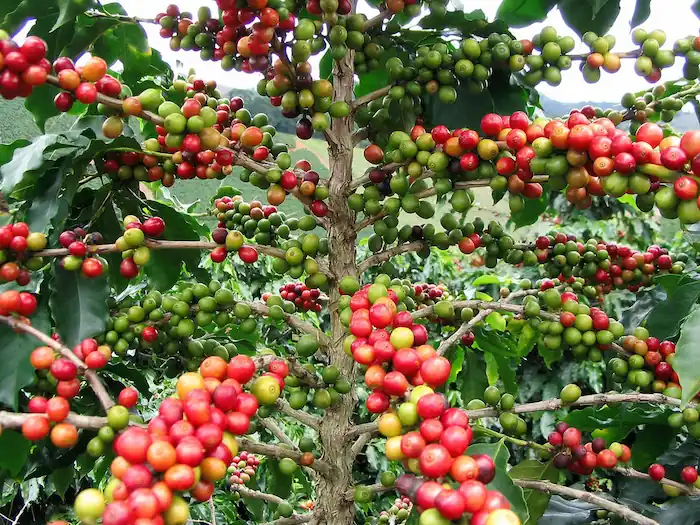
A coffee variety is a specific type within a coffee species, in the same way that Pinot Noir and Merlot are varieties of grape. Varieties differ in flavour, yield, size and resistance to disease. The best-known arabica varieties include Typica, Bourbon, Caturra, SL28 and Gesha. Together with altitude, soil and processing, the variety shapes how a coffee tastes.
Specialty roasters often print the variety on the bag. This guide explains the main ones. If you want the species first, read arabica vs robusta.
Variety, species, cultivar: what is the difference?
Species is the broad group (Coffea arabica or Coffea canephora). Variety (or cultivar) is a specific type within a species, created by natural mutation or by crossing. Hundreds exist, and new ones are developed all the time, mostly to resist disease and a changing climate.
Main arabica coffee bean varieties
| Variety | Background | Typical profile |
|---|---|---|
| Typica | One of the oldest varieties, spread from Yemen around the world | Clean, sweet, balanced; low yield |
| Bourbon | Spread from the island of Bourbon (now Réunion) | Sweet, rounded, often caramel or red fruit |
| Caturra | A natural Bourbon mutation, found in Brazil | Bright acidity, lighter body; productive |
| SL28 | Selected in Kenya in the 1930s | Juicy, intense acidity, blackcurrant notes |
| Gesha | From Ethiopia, made famous in Panama | Floral, tea-like, jasmine and bergamot |
| Pacamara | A cross made in El Salvador | Large beans, complex, sweet and herbal |
Profiles are tendencies, not guarantees. The same variety can taste very different depending on altitude, soil and how it is processed: see coffee processing methods.
Gesha: the celebrity variety
Gesha (also spelled Geisha) comes from the Gesha area of Ethiopia. It became famous when a lot from a Panamanian farm won international attention in the mid-2000s, and it still sells for very high prices. It is delicate to grow and has a low yield, which adds to the cost.
Hybrids and disease resistance
Many traditional varieties are vulnerable to leaf rust, a fungal disease that has damaged crops across Latin America. Plant breeders have created hybrids with more resistance, such as Castillo, Catimor and Sarchimor, as well as newer F1 hybrids. Quality varies, but careful farming and processing produce good coffees from many of them. World Coffee Research maintains an Arabica Coffee Varieties Catalog with details on each variety.
Why variety matters to you
- It helps you find a taste you like: if you enjoy a floral Gesha, you may enjoy other delicate, tea-like coffees.
- It signals traceability: a roaster who names the variety usually knows the farm.
- It explains price: rare, low-yield varieties cost more.
To go deeper, see our guide to single origin vs blend, and learn to describe flavour with tasting notes.
Frequently asked questions
What is the most common coffee variety?
Caturra, Catuai and Bourbon types are very widespread, while Typica is one of the oldest.
Is Gesha always the best?
No. It is prized for its delicate floral character, but “best” depends on taste and on how well the coffee was grown and processed.
Where can I try different varieties?
Browse specialty coffee roasters in our Guide; many list the variety on each coffee.